
Moving to Guelph is one of the most common relocation moves we handle from the Greater Toronto Area, and for good reason. Guelph was named the #1 best place to live in Canada by Zolo in 2025, and the qualities behind that ranking — safety, walkability, affordability relative to Toronto, and a genuine community feel — have only deepened since. The Royal City has become a destination for families, professionals, and retirees who want quality of life without giving up access to the bigger urban centres.
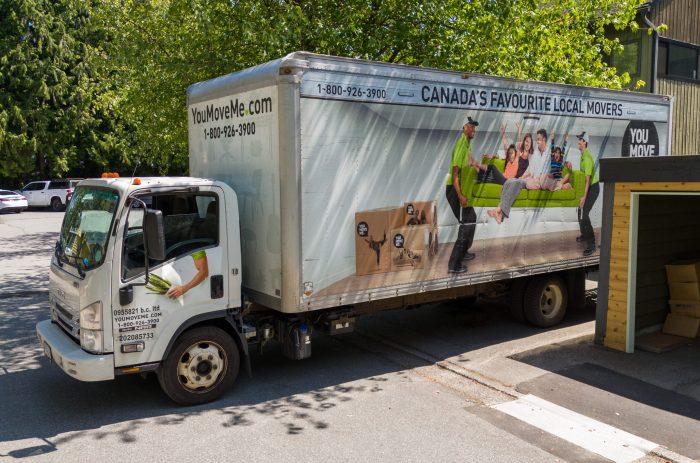
You Move Me Kitchener-Waterloo serves Guelph along with the broader Tri-Cities region. We move families and businesses into and out of Guelph every month, from heritage homes in downtown to newer subdivisions in South Guelph. Arrivals from outside the region lean on our Guelph long distance movers for the haul itself. This guide is written from a local mover’s perspective: what each Guelph neighbourhood is actually like, what the cost of living looks like, and what to expect on moving day.
Is Guelph a Good Place to Live?
Yes, Guelph is widely considered one of the best places to live in Canada. It consistently ranks at or near the top of national livability surveys, and Zolo named it the #1 best place to live in Canada for 2025. With a population of roughly 144,000, Guelph offers a balance of small-city walkability, strong schools, low crime, abundant green space, and easy access to bigger metro areas. The trade-off is a competitive housing market and the typical Southern Ontario commute realities.
What Makes Guelph Stand Out
- Safety and community. Guelph is consistently ranked among Canada’s safest cities. Neighbourhoods know each other. Civic engagement is real.
- Education. The University of Guelph anchors the city’s intellectual life. The Upper Grand District School Board runs strong public schools, and the Wellington Catholic District School Board adds a respected separate option.
- Green space. The Speed and Eramosa Rivers cut through the city. Guelph Lake Conservation Area, Riverside Park, Exhibition Park, and Royal City Park are all within easy reach. The Trans Canada Trail passes through.
- Cultural depth. Downtown Guelph hosts the Guelph Farmers’ Market, the River Run Centre, independent restaurants, live music venues, and seasonal festivals.
- Location. About 100 km west of Toronto, 30 km east of Kitchener-Waterloo, and 1.5 hours from Niagara. GO Transit, VIA Rail, and the 401 corridor all serve the city.
The Honest Trade-Offs
No city is perfect, and a relocation guide that pretends otherwise is not actually helping anyone:
- Housing competition. While the market has cooled from 2021 peaks, well-priced homes in desirable neighbourhoods still move quickly. Come pre-approved.
- Car-dependent outside downtown. Central and downtown Guelph are walkable. South, East, and West Guelph are typical suburban layouts where a vehicle helps.
- Cost has risen. Guelph remains more affordable than the GTA, but it is not the bargain it was a decade ago. Budget realistically.
- Limited big-box shopping downtown. If you are coming from a suburb where you drive to a power centre for everything, downtown Guelph runs on small independent shops instead.
For most people moving to Guelph from a bigger city, the trade-offs are worth it. You get more space, more community, and a slower pace without sacrificing access to the bigger world.
What Are the Best Neighbourhoods in Guelph?
The best neighbourhoods in Guelph depend on what you want from daily life. Guelph is a mid-sized city, which means neighbourhoods are distinct but not overwhelming to navigate. The five main areas are Downtown/Central, South Guelph, East Guelph, West Guelph, and North Guelph. Each has its own character, housing stock, and typical move-day considerations.
Downtown and Central Guelph
Downtown is walkable, historic, and full of character. You find heritage homes, modern condos, loft conversions over storefronts, and easy access to restaurants, shops, the Farmers’ Market, and the River Run Centre. It suits young professionals, empty-nesters, and anyone who wants to walk to everything. For movers, downtown can be the most challenging part of Guelph: narrow century-home staircases, tight doorways, limited truck parking, and occasional permit requirements during festivals. Plan move day accordingly and expect your moving crew to scout the route in advance.
South Guelph
South Guelph is the city’s fastest-growing area and the typical pick for relocating families. The Westminster Woods, Pineridge, and Kortright Hills neighbourhoods offer modern detached homes, strong schools (Rickson Ridge Public School is well-regarded), and easy access to Highway 401 for commuters. Move-day logistics here are usually straightforward: wide streets, newer homes with predictable layouts, and good truck access.
East Guelph
East Guelph offers some of the more affordable entry points into Guelph homeownership, with neighbourhoods like Grange Hill East, Riverside, and Watson Parkway. Green spaces are abundant, the Eramosa River runs through, and commuters get reasonably quick access to the 401 via Watson Road. Move days are generally easy. Some pockets have narrow older streets.
West Guelph
West Guelph balances affordability and amenities, with established neighbourhoods like Hanlon Creek, West Acres, and Old University. The Hanlon Parkway provides quick north-south access. Schools are strong, parks are plentiful, and the area suits families looking for value without sacrificing community feel. Most moves are straightforward.
North Guelph
North Guelph includes Victoria North, Brant, and Willow West, offering established residential pockets with good access to Speedvale and Woolwich. It tends to be slightly more affordable than South or West Guelph, with a mix of older bungalows and newer infill. Move-day logistics are usually simple.
How Much Does It Cost to Live in Guelph?
The cost of living in Guelph is noticeably lower than the Greater Toronto Area but moderately higher than the Canadian national average. The biggest savings come from housing. Most other categories — groceries, utilities, transportation — fall in line with provincial averages. A single adult can typically live comfortably in Guelph on a smaller monthly budget than they would need in Toronto, and a family can often trade a Toronto condo for a Guelph detached home at a similar mortgage payment.
Housing Costs
Housing is the biggest swing factor. Guelph detached homes typically range from $850,000 to over $1.1 million depending on size, age, and neighbourhood. Townhomes generally sit between $650,000 and $900,000. Condos run from $450,000 to $650,000. Rentals follow similar patterns: a typical one-bedroom apartment runs roughly $1,800 to $2,200 a month, with two-bedrooms ranging from $2,200 to $2,800 depending on neighbourhood and building type.
Other Major Expenses
- Groceries. A single adult can plan on $350 to $500 a month. A family of four typically spends $900 to $1,300.
- Utilities. Hydro, water, and natural gas combined typically run $200 to $350 a month for a detached home.
- Transportation. Guelph Transit monthly passes are affordable. Vehicle ownership costs (fuel, insurance, parking) sit in line with the rest of Southern Ontario.
- Childcare. Licensed daycare typically costs $50 to $70 per day before provincial subsidies. After-school programs run $15 to $25 per day.
For most relocators from the GTA, the math works out clearly in Guelph’s favour on housing while everything else is roughly equivalent. People moving from smaller Ontario cities sometimes find Guelph a step up in living costs but appreciate the trade-off in amenities.
When Is the Best Time to Move to Guelph?
The best time to move to Guelph depends on flexibility, weather preference, and how close your move falls to peak demand windows. Spring and fall are typically the most pleasant moving months. Summer is the busiest. Winter is the cheapest but adds weather risk.
Move-Day Timing Considerations
- April and August/September: University of Guelph move-in and move-out windows create the heaviest local mover demand of the year. Book eight to ten weeks ahead.
- June, July, and early August: Peak family-relocation season. Book six to eight weeks ahead.
- September through November: A sweet spot. Pleasant weather, manageable demand. Three to four weeks of lead time usually suffices.
- December through March: Lowest demand and often the lowest pricing. Winter weather adds risk and requires flexibility for weather rescheduling. Two to three weeks ahead is usually enough.
- End and start of every month: Always heavier because of lease and possession-date alignment. Mid-month moves are often easier to schedule.
For new residents settling in, the City of Guelph’s official website is a useful first stop for things like waste collection schedules, utility connection, parking permits, and library cards.
What to Know About Moving Day in Guelph
Moving day in Guelph goes smoother when you plan for three specific local factors: downtown access, heritage home logistics, and Ontario weather.
Downtown Access and Parking
Downtown Guelph streets are narrow and historic. Some have one-way patterns. Truck parking can be limited, especially near the Farmers’ Market on Saturday mornings or during festivals. If your move involves a downtown address, talk to your mover about parking permits in advance. The City of Guelph issues temporary parking permits for moves.
Heritage Home Logistics
Century homes are common in central Guelph, the Old University area, and parts of West Guelph. They are beautiful but can be challenging on move day: narrow doorways, steep staircases, tight turns on landings, and floors that need protection. A professional crew will scout these challenges in advance and bring appropriate equipment. Day-labour crews often discover them on move day and either damage your home, damage your furniture, or refuse parts of the job.
Weather and Seasonal Factors
Ontario summers are humid. Ontario winters bring snow, ice, and below-zero temperatures from December through March. Schedule winter moves for the warmest part of the day, salt or clear your driveway and walkways in advance, and pad floors against melting snow tracked in by movers. Your moving crew should arrive equipped for the weather. Ask what their winter procedure looks like before booking.
The Vetting Question
Whoever you hire, verify they are a real local mover with W-2 employees, full insurance, and references from recent Guelph moves. Watch for brokers based in Toronto that subcontract Guelph jobs to whichever crew is available. If you have items like a piano, antique furniture, or other specialty pieces, see our guide on piano and specialty item moving in Guelph and Kitchener-Waterloo for what to look for in a specialty mover.
Ready to Plan Your Move to Guelph?
If you are planning a move to Guelph, You Move Me Kitchener-Waterloo is ready when you are. Every mover on our crew is a fully trained, W-2 employee, not a day labourer. We know the city, the neighbourhoods, the access challenges, and the seasonal quirks because we move into and out of Guelph every month. Flat travel fees, no hidden charges, and a clear written estimate before you book.
You also get the small things other companies skip: complimentary coffee on move day, free wardrobe packing, floor and wall protection, and a housewarming plant when we leave. Those are part of how we do every move.
Get a free, no-surprises estimate online through our free estimate page, learn more about the areas we serve across the Tri-Cities and Guelph region, or call us at (226) 499-6700 to talk through your move. Whether you are coming from Toronto, Kitchener, or somewhere further away, our local crew has you covered. Learn more about our full range of moving services to see what we offer.